
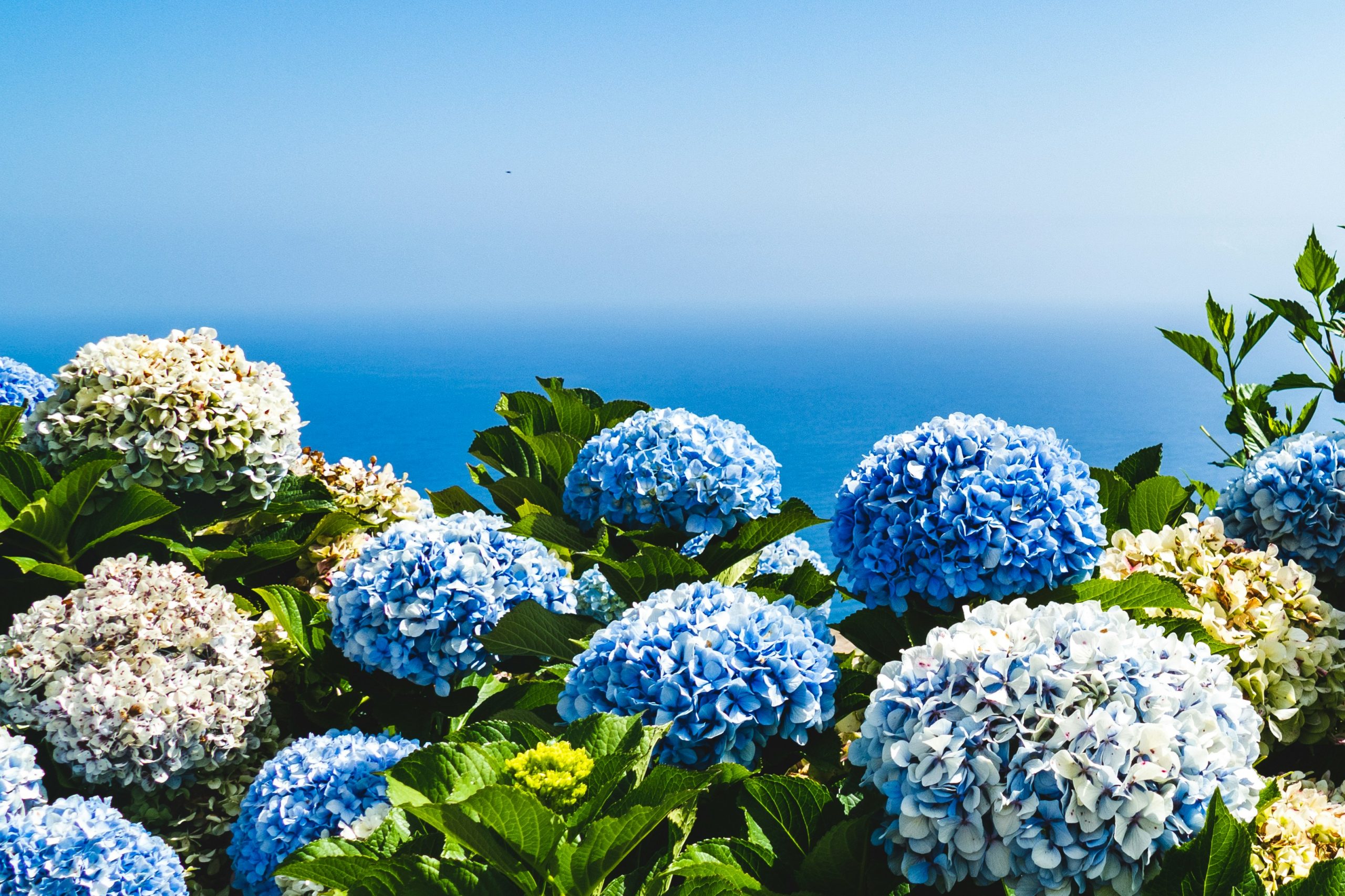
You’re standing at the nursery, trolley in hand, and the debate begins. On one side: the hydrangea, with its theatrical mophead blooms in clouds of blush pink and powder blue, dripping with old-world charm. On the other: the agapanthus, upright and bold, with its tall purple and white flower spikes that seem purpose-built for the Australian summer. Both are beautiful. Both are popular. And both have passionate fans who will argue their case at length.
So which one actually belongs in your garden?
The honest answer is: it depends. Your climate, your garden style, your personality as a gardener, and how much time you want to spend maintaining things all play a role. This guide will walk you through everything you need to know to make the right call – or to justify planting both.
How Do They Handle the Australian Climate?
Australia’s climate is famously varied, and this is where the two plants begin to separate.
Hydrangeas are the more climate-sensitive of the two. They prefer temperate climates with mild winters and moist summers, thriving particularly in regions like New South Wales, Victoria, and Tasmania. In those cool-to-temperate zones – the Southern Highlands, the Dandenong Ranges, the Adelaide Hills, coastal Victoria – a hydrangea is practically guaranteed to perform beautifully. They grow in all but arid zones, which means gardeners in the hot, dry interior of the country will struggle. They wilt dramatically in intense heat and will tell you exactly how they feel about a Perth summer with complete honesty.
Agapanthus are a different beast altogether. Most agapanthus grow best in frost-free temperate, tropical, and subtropical climates, though deciduous varieties can be grown in cool climates. They handle coastal conditions, tolerate wind, cope with periods of drought once established, and generally ask very little of you in return for reliable summer colour. From Darwin to Hobart, a well-chosen agapanthus will find a way to thrive.
The verdict: For temperate southern gardens, both are excellent choices. For warmer, drier, or tropical climates, agapanthus is the practical winner. For cool highland or coastal southern gardens with reliable rainfall, hydrangeas are unbeatable.
City Garden vs Country Garden – Does It Matter?
Absolutely, and this is where garden context really comes into play.
City and suburban gardens – smaller, often shadier, surrounded by fences and walls – suit hydrangeas particularly well. Hydrangeas grow best in partial shade, with morning sun and afternoon protection, and prefer moist, well-drained soil. The dappled shade from neighbouring buildings or established trees isn’t a problem – it’s actually ideal. A mophead hydrangea in a shaded courtyard garden looks absolutely stunning, and in a pot on a sheltered balcony or patio it’s equally impressive.
Agapanthus in city gardens work best as border plants, lining pathways or filling garden bed edges with low-maintenance colour. Compact varieties like ‘Peter Pan’ and ‘Blue Storm’ are perfect for smaller urban spaces and perform brilliantly in pots on a sunny balcony or paved courtyard.
Country and rural gardens – larger, more exposed, often with less reliable irrigation – strongly favour agapanthus. Once established, they handle neglect with grace, shrug off dry spells, and look spectacular planted in drifts along fencelines or driveways. Hydrangeas in a country garden require more commitment: a reliable water supply, some shelter from hot westerly winds, and a gardener prepared to mulch and fertilise regularly.
Garden Style: What Suits Each Plant?
Hydrangeas belong to the cottage garden, the heritage garden, the romantic or traditional garden. They’re the plant of leafy Melbourne suburbs, of Southern Highlands weekenders, of English-inspired gardens with rose-covered arbours and brick pathways. They also work beautifully in contemporary gardens as bold, architectural specimens in pots flanking an entry. Their drama is vertical and seasonal – they erupt into bloom in November and carry on through to February, then quietly go dormant for winter.
Agapanthus belong to the coastal garden, the native-inspired garden, the low-maintenance contemporary garden, and the bold Australian landscape. They are a quintessential feature of beachside gardens from Noosa to Torquay. They suit clean-lined modern homes, work along pool edges, and are classics for lining driveways in long, sweeping borders. Their tall, architectural flower spikes have a drama all their own.
Upkeep, Watering, and Fertilising
This is where the two plants most clearly diverge in their demands on you as a gardener.
Hydrangeas are – and this is said affectionately – high-maintenance divas. They’re classed as “gross feeders,” meaning they require annual fertilising and mulching with compost or composted manures. They require consistent moisture, especially during their active growth and flowering periods – regular, reliable watering is crucial. Pruning requires real attention: hydrangeas flower on the previous year’s growth, so pruning is essential for best flowering – avoid removing stems that have not yet flowered, as these are next year’s flowering wood. Get the pruning wrong and you’ll sacrifice the whole season’s flowers. The payoff for all this attention? Absolutely spectacular results. Armfuls of blooms, vase-ready from the garden, from November through February.
One bonus: acidic soil will encourage blue flowers, while alkaline soil brings out pink flowers – and you can alter the soil pH to influence the colour. It’s a genuinely magical little trick that makes hydrangea growing feel interactive and rewarding.
Agapanthus, by contrast, are the dream plant for time-poor or lower-effort gardeners. Feed agapanthus plants every six to eight weeks from spring to autumn with a gentle fertiliser, water them in during establishment, and then largely leave them alone. Once settled, they’re remarkably self-sufficient. The main ongoing task is removing spent flower stems before they set seed – many agapanthus can spread easily by seed and become a weed, so it’s important to prevent this. Every few years, divide congested clumps to maintain vigour and flowering. That’s about it.
A word of caution: always choose sterile or non-invasive varieties, particularly in New South Wales and Victoria, where agapanthus is listed as an environmental weed in some areas.
The Verdict: Which Should You Choose?
Here’s the plain truth: these are not competing plants. They’re complementary ones, suited to different gardeners, different gardens, and different moods.
Choose the hydrangea if you love a high-reward garden experience, have a temperate climate, can offer some shade and reliable water, and want the most spectacular floral display your garden can produce.
Choose the agapanthus if you want colour and reliability with minimal fuss, have a warm or coastal climate, are landscaping a larger space, or simply don’t have the time to fuss.
Plant both if you have the space and the appetite for it – because a garden with the drama of mophead hydrangeas in the shaded beds and the bold spires of agapanthus catching the summer sun along the fence line is, genuinely, one of the loveliest things an Australian garden can be.
The nursery trolley has room for more than one decision. Trust your instincts, know your garden, and plant something that makes you happy every time you look out the window.
Quick reference: Hydrangea or Agapanthus?
| Hydrangea | Agapanthus | |
|---|---|---|
| Best climate | Temperate (VIC, NSW, TAS) | Most of Australia |
| Water needs | High – consistent moisture | Low – drought tolerant once established |
| Maintenance | High – pruning, feeding, mulching | Low – feed, divide every few years |
| Sun | Morning sun, afternoon shade | Full sun to part shade |
| Garden style | Cottage, heritage, romantic | Coastal, contemporary, low-maintenance |
| City/Country | City courtyards & shade gardens | Country driveways, coastal borders |
| Pot-friendly? | Yes – excellent in large pots | Yes – compact varieties ideal |