
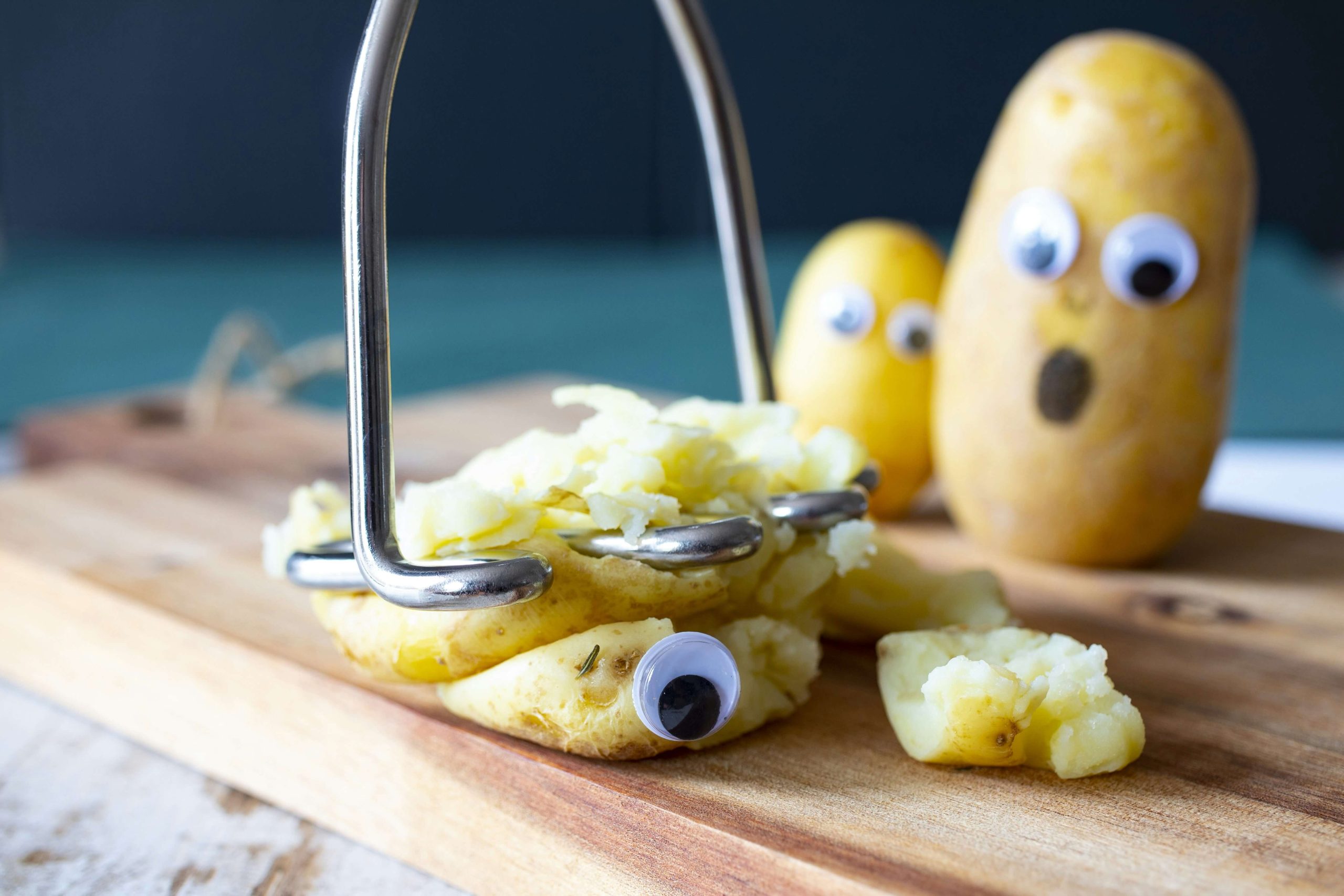
There is an argument to be made – and this is that argument – that the potato is the greatest ingredient on earth.
It isn’t flashy. It doesn’t photograph as dramatically as a perfectly seared piece of salmon or a glittering pavlova. It sits on the bench at the greengrocer, brown and unassuming, asking very little of anyone. And yet, in the right hands, the potato becomes something extraordinary. Crispy and golden from the oven. Silky and rich in a gratin. Smoky and charred from the grill. The potato doesn’t have one great trick. It has a thousand of them.
If you’ve been cooking potatoes the same way for years – boiled, mashed, roasted, repeat – this is your invitation to fall back in love with the most versatile vegetable on the planet.
Are Potatoes Actually Good for You?
Before we get to the cooking, let’s clear something up: potatoes got a bad reputation somewhere in the low-carb era of the early 2000s, and they never fully recovered in the public imagination. It’s time to correct that.
A medium potato with the skin on is an excellent source of vitamin C, vitamin B6, potassium, and dietary fibre. It is naturally fat-free, relatively low in calories, and genuinely filling – which means you’re less likely to overeat when potatoes are part of a meal. The resistant starch in cooled, cooked potatoes also acts as a prebiotic, feeding the good bacteria in your gut.
The problem with potatoes is almost never the potato itself. It’s what we do to them. A jacket potato loaded with fibre and vitamins becomes something different after it’s been deep-fried and salted into oblivion. But that’s not the potato’s fault. Treat it with respect, and it will treat your body well.
What Would a Roast Dinner Be Without Roast Potatoes?
Let’s take a moment to acknowledge something sacred: the roast potato is one of the great achievements of human civilisation.
The Sunday roast – that glorious, unhurried ritual of a meal – would be diminished beyond recognition without a tray of golden, crunchy-edged, fluffy-centred roast potatoes emerging from the oven. They are the anchor of the plate. The thing everyone quietly hopes there will be seconds of. The dish that, done perfectly, makes the whole effort of a Sunday cook feel absolutely worth it.
The secret? Parboil first, shake the pot until the edges are roughed up and floury, then roast in screaming-hot fat – duck fat if you’re feeling indulgent, good olive oil if you’re not – until they are the colour of autumn leaves and shatteringly crisp. Season generously. Never apologise for the quantity. A roast dinner without roast potatoes isn’t really a roast dinner at all. It’s just a plate of meat.
Beyond the Basics: Less Traditional Ways to Cook Potatoes
Here is where things get genuinely exciting. Because as magnificent as a classic roast potato is, it would be a shame to stop there.
Smashed Potatoes Boil small potatoes until completely tender, then tip them onto a baking tray and flatten each one with the bottom of a glass until it splits open. Drizzle generously with olive oil, season with salt, garlic, and your herb of choice – rosemary and thyme are glorious here – then roast at high heat until the edges are shatteringly crisp while the interior stays pillowy and soft. The texture contrast is revelatory. These are better than regular roast potatoes. There – it’s been said.
Hasselback Potatoes A Swedish preparation that is as beautiful as it is delicious. Make a series of thin, evenly spaced cuts along the top of the potato without cutting all the way through, then fan the potato open slightly, brush with garlic butter, and roast until each delicate slice crisps up individually while the base stays creamy inside. The result looks impressive, cooks wonderfully, and rewards every herb and topping you press into those fanned layers.
Potato Galette Thinly sliced potatoes – a mandoline is your best friend here – layered in a heavy skillet with butter, salt, and thyme, then cooked on the stovetop and finished in the oven. The result is a crispy, golden potato cake that you can slice into wedges and serve alongside almost anything. It is simple, stunning, and deeply satisfying to flip onto a board and reveal the caramelised base.
Potato Gnocchi Gnocchi sounds intimidating and is, in fact, one of the most rewarding things you can make from scratch. Floury potatoes – Desiree or Dutch Cream work beautifully – are baked (not boiled, to avoid waterlogging), riced while warm, mixed with a little flour and egg, and rolled into pillowy dumplings that cook in two minutes in boiling water. Toss them in brown butter and sage, a good tomato sugo, or a sharp gorgonzola cream sauce, and you have made something genuinely magnificent from scratch.
Potato Soup Done Properly Not the gluey, wallpaper-paste variety but a silky, well-seasoned, deeply flavoured leek and potato soup, finished with good cream and served with enough crusty bread to make it a meal. Or a Spanish-style potato and chorizo soup with smoked paprika, where the starch from the potato naturally thickens the broth into something rich and warming. Soup is often the last place people look for creativity, and consistently one of the most rewarding.
Salt-Baked Potatoes Bury your potatoes in a crust of coarse salt and bake at a high temperature. The salt draws out moisture and creates an insulating crust, leaving the potato inside with an intensely flavourful, dry, almost fluffy interior unlike anything a regular baked potato can produce. Crack the crust open at the table for full dramatic effect.
Potato Rösti Grated raw potato, seasoned and squeezed very dry, then pressed into a flat cake and fried in butter until deeply golden on both sides. The Swiss have been doing this for centuries, and they were absolutely right to. Serve it as a base for poached eggs and smoked salmon for a breakfast that will ruin all future breakfasts, or alongside braised meats as a crispy, golden alternative to mash.
The Potato Is Waiting for You
Here is the truth about the potato: it has never let anyone down. It has fed civilisations, survived centuries, and adapted to almost every culinary tradition on earth. It is forgiving when you’re learning and rewarding when you’ve mastered it.
The greatest cooks in the world – from the farmhouse kitchens of rural France to the Michelin-starred restaurants of Tokyo – have never stopped finding new ways to celebrate it. That should tell you everything.
So the next time you find yourself reaching for the same familiar preparation, pause for a moment. Grab those potatoes. Try something new. Smash them, slice them paper-thin, roll them into gnocchi, bury them in salt.
The humble spud is ready for its close-up. And it has never looked better.