
Close your eyes for a moment. Picture the backyard you’ve always wanted. Maybe it’s Saturday afternoon, golden light filtering through the trees, kids kicking a ball across a lush carpet of green. Maybe it’s a quiet Sunday morning with a coffee in hand, bare feet on cool, dewy grass. Maybe it’s a summer evening, the smell of a barbecue drifting across a lawn that looks like it belongs in a magazine.
That backyard isn’t a fantasy reserved for someone else. It’s yours to build. And it all starts with the lawn underfoot.
A great lawn is the foundation of an outdoor life well-lived. It transforms a bare block into a place where memories are made, where children play without care, where adults exhale after a long week. It turns a house into a home. And in Melbourne – with its glorious, maddening four-seasons-in-a-day climate – getting your lawn right takes a little know-how. Here’s everything you need to get started.
Choosing the Right Grass for Melbourne’s Wild Weather
Melbourne’s climate is beautiful, unpredictable, and hard on lawns that aren’t built for it. Hot, dry summers. Cold, frosty winters. Rain when you least expect it. You need a grass variety tough enough to handle all of it.
The good news: there are four proven grass types that thrive in Victorian conditions.
Sir Walter DNA Certified Buffalo is widely regarded as the best all-rounder for Melbourne backyards. It handles shade exceptionally well – up to 75 percent – making it ideal for gardens with trees or fencing that blocks sunlight. Its deep root system means it uses water efficiently and stays greener longer through summer droughts. It’s soft underfoot, self-repairing, and handles the rough-and-tumble of kids and pets without complaint. For most Melbourne homes, this is the variety to beat.
Kikuyu is the toughest grass on the list. Fast-growing, drought-resistant, and almost alarmingly resilient, it bounces back quickly from heat and heavy traffic. If your backyard sees a lot of activity – sport, pets, constant foot traffic – Kikuyu is built for the punishment. It does require more regular mowing due to its vigorous growth, but for the right yard, it’s practically indestructible.
Couch (including varieties like Santa Ana Sports Couch) offers a fine, dense, sports-field appearance and excellent recovery from wear. It loves full sun and is a popular choice for homeowners who want that manicured, golf-course look. It does go semi-dormant in winter, but comes back strong each spring.
Tall Fescue is the cool-season standout – one of the only varieties available as instant turf that stays genuinely green through Melbourne winters. It handles frost well and maintains its deep colour when other grasses are fading. If year-round greenery is your priority, Tall Fescue deserves serious consideration.
Instant Turf or Seed: What’s Actually Better?
It’s the question every first-time lawn owner asks. The honest answer: for most Melbourne homeowners, instant turf wins.
Grass seed is more affordable upfront and offers flexibility in variety, but it asks a lot in return. Seeds can take six to twelve weeks before the lawn is usable, require constant watering and fertilising during establishment, and are vulnerable to Melbourne’s unpredictable weather – heavy rain can wash seeds away entirely on sloped areas.
Instant turf, by contrast, delivers exactly what it promises: a green, established lawn in a single day. It has a far higher success rate, resists weeds during establishment because of its density, and holds slopes far better than seed. Yes, it costs more upfront – expect to pay somewhere between $9 and $17 per square metre depending on the variety – but it’s also far more likely to give you the result you’re actually after.
For small, flat areas with mild weather conditions and a patient owner, seed can work well. For everyone else, instant turf is the smarter investment.
Should You Lay It Yourself?
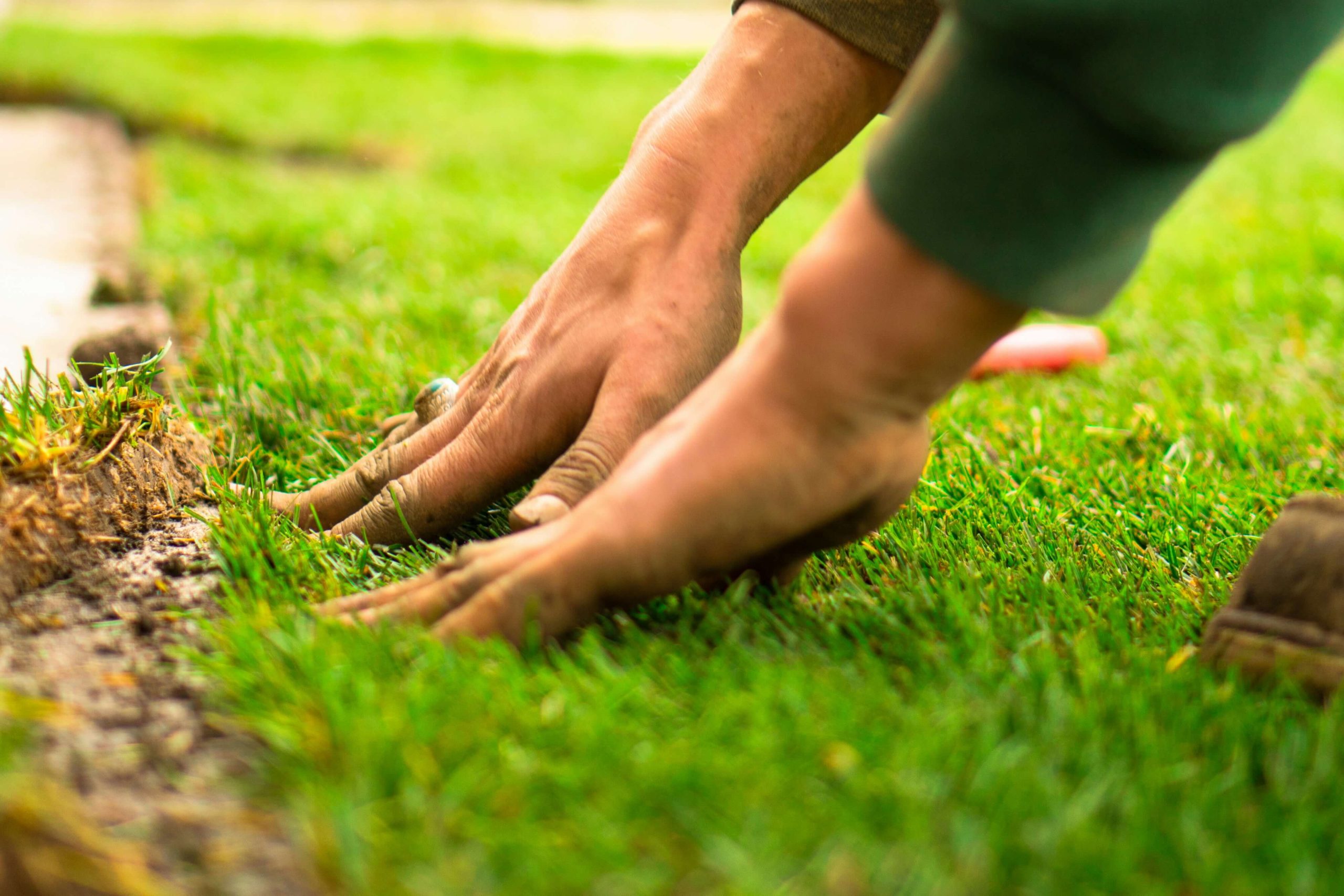
The satisfying answer is: yes, you absolutely can. Laying instant turf is a genuinely achievable weekend project for a capable homeowner, and the pride of doing it yourself is real.
The key is preparation. Soil preparation makes or breaks a new lawn. You’ll need a well-worked, level soil base of at least 100mm depth. Remove any rocks, roots, and debris, then rake smooth and roll lightly to firm the surface and reveal any low spots that need topping up. Keep the soil level around 20–25mm below any paths or edging so your finished lawn sits flush.
The best time to lay turf in Melbourne is spring or early autumn. These mild seasons give your new lawn the warmth it needs to establish roots without the punishing heat of midsummer or the cold dormancy of winter. Autumn is particularly forgiving – the soil stays warm, the air cools, and root development happens steadily with less need for heavy watering.
If you’re laying a large area, hiring a professional installer is well worth considering – they’ll have the equipment and experience to get the rolls down quickly and correctly, which matters because fresh turf needs to go down fast after delivery.
When and How to Fertilise
Fertilising is where so many home lawns fall short. Get it right, and your grass stays thick, green, and healthy year-round. Get it wrong, and you’re fighting weeds, bare patches, and that dispiriting yellow tinge all summer.
Before laying your turf, apply a starter fertiliser (high in phosphorus, not nitrogen) to the prepared soil. This encourages deep root development in those critical first weeks. After the turf is down and has been established for around six to eight weeks, give it its first proper feed.
Once established, follow a seasonal rhythm:
- Spring (September): Apply a complete fertiliser high in nitrogen to kick the lawn out of its winter dormancy and fuel strong spring growth.
- Summer: A maintenance feed helps protect against seasonal stress, but avoid fertilising during extreme heat.
- Autumn (April–May): The most important feed of the year. A good autumn application prepares your lawn for the colder months and encourages prolonged growth heading into winter.
- Winter: Skip it. Most warm-season grasses are dormant and fertilising during this period is wasteful and potentially damaging.
Always water your lawn immediately after applying fertiliser to prevent leaf burn and help nutrients reach the root zone.
Your Backyard is Waiting
A beautiful lawn doesn’t happen by accident – but it doesn’t require luck, either. It requires the right grass for your conditions, the right preparation, and a little ongoing care. In Melbourne, that means choosing a variety built for our wild weather, giving it the foundation it needs, and feeding it through the seasons.
The investment you make in your lawn pays back every single day – in bare feet on soft grass, in Sunday afternoons that feel like they last forever, in a home that looks and feels the way you always imagined it could.
The backyard of your dreams is entirely within reach. Start digging.