
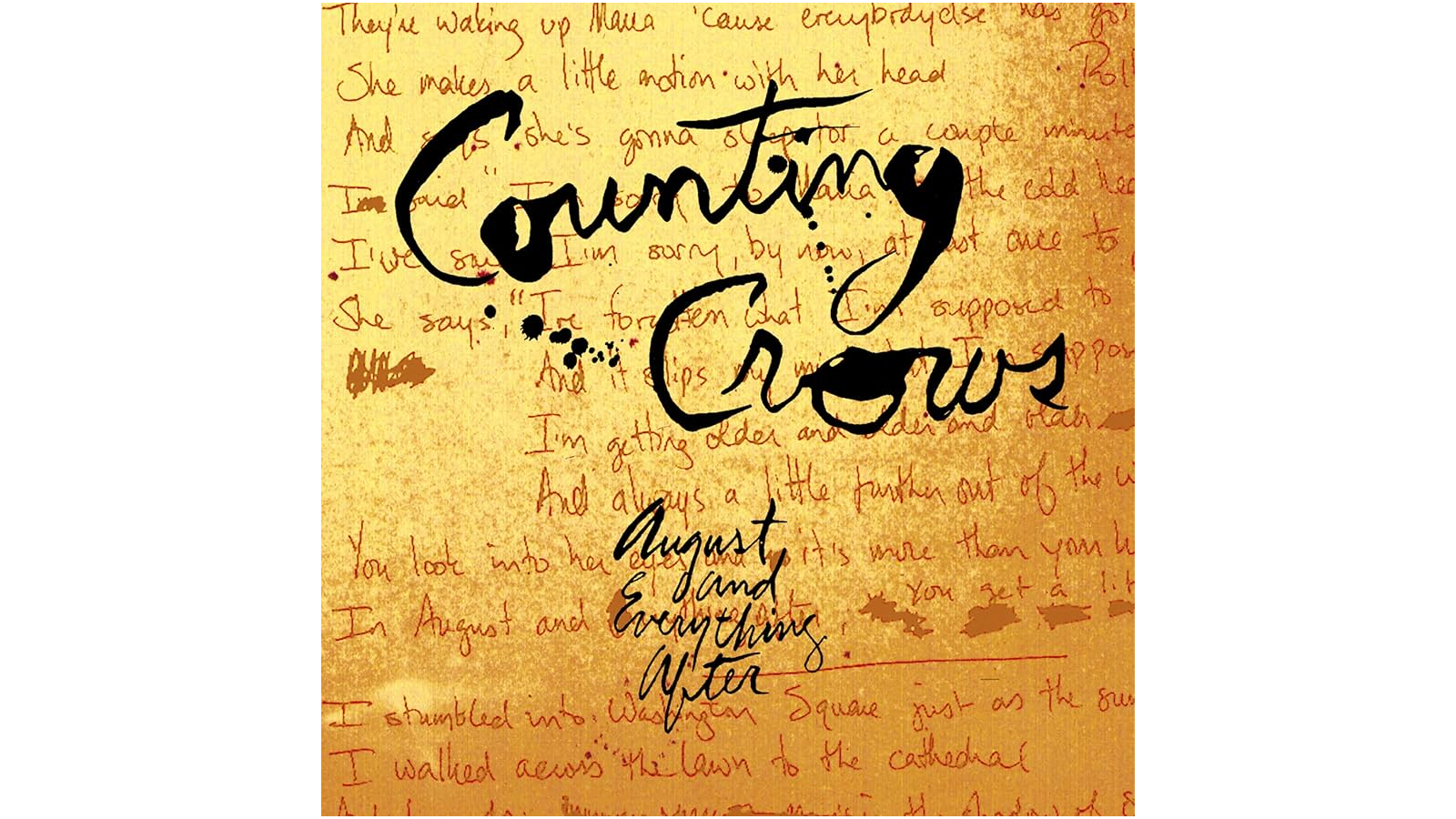
Song Read No. 1 — Round Here, final version
Round Here
He stepped out the front door like a ghost into the fog. That was how it felt — not dramatic, not deliberate, just that quality of becoming slightly less solid the moment the door closed behind him. The street had gone white on white, the fog so thick it erased the contrast between the pavement and the sky, between the lamppost and the air around it. He walked in it and felt, not unpleasantly, like he might be walking through himself.
His name was Daniel. The woman inside was Maria. Through the door, before he’d left, he had heard her crying — not loudly, not in the way that demands an immediate response, but in the low continuous way that suggested it had been going on for some time before he’d noticed and would go on for some time after. He’d stood in the hallway for a moment with his hand not quite on the door handle. Then he’d gone out.
Why? He didn’t know. That was the honest answer, the one he’d stopped being embarrassed by. He didn’t know why she cried, and she didn’t know either. That was the specific thing about Maria — her distress was not mysterious to her in the way that other people’s distress is mysterious to them. She knew it was there. She simply couldn’t tell you where it came from, the way you can feel a cold coming before you can name which draughty room gave it to you.
He walked in the air between things — between the rain that had just stopped and the fog that had moved in to replace it — and tried to think about nothing in particular. Round here, he thought. Round here we stay up very, very late doing exactly this: standing in the fog outside the problem, waiting for something to clarify.
Maria had come from Nashville with a suitcase in her hand and a very particular idea about California. She’d told him this on the night they met, at a party in a house too small for the number of people in it, standing close because the noise required it. She had wanted to meet someone, she said, who looked like Elvis. Not the late Elvis — the early one, the dangerous original, the one who looked like he’d arrived from a place that hadn’t existed until he invented it.
Daniel did not look like Elvis. He told her this. She studied him for a moment with her head slightly tilted, the way she looked at everything she was deciding about, and said she’d revise her criteria. He laughed. She laughed. He’d taken that as a yes, and it had been one.
What he came to understand, in the weeks that followed, was that Maria existed at edges. She walked along the border of where the ocean met the land — he’d watched her do it, actually, at a rocky beach below the highway, toe after toe along the exact line where solid ground became water, perfectly balanced, arms loose, like a circus performer who had been practising this particular wire her entire life. She drove fast on the on-ramps. She said the thing at dinner parties that was true but that nobody had arranged in advance to say out loud. She had trouble acting normal when she was nervous, and she knew it, and the knowing of it made her worse, and she knew that too.
She told him once, directly and without self-pity, that she was more than just a little misunderstood. The trouble was that understanding this about herself didn’t make the misunderstanding stop. It just meant she watched it happen with better vocabulary.
Round here, something radiates. Daniel had grown up in this neighbourhood and felt the truth of it the way you feel things you’ve absorbed rather than learned — in the posture, in the pace of walking, in the collective understanding between people on the street that they were all, together, standing up straight. Round here we carve out our names. Round here we all look the same. The neighbourhood had a personality that was half civic pride and half performance, and most of the people in it could not have told you where one ended and the other began.
He had thought, when Maria arrived, that she would find this suffocating. Instead she found it fascinating — a performance she could watch from a slight distance with her particular quality of attention, the way she watched everything, as though the world were presenting itself specifically for her consideration.
But lately the distance had been closing. Lately she was less observer and more subject. He noticed it in the specific way she talked — starting sentences she didn’t finish, pausing mid-thought as though she’d heard something in the words as she said them and wasn’t sure she believed it. The words didn’t sound right, but he heard them all, heard something moving inside them, and he did not know what to do with what he heard.
Round here, he thought, we talk just like lions. We are very good at the roar. What we are less practised at is the moment after, when the roar is done and there is only the truth of the thing, quiet and waiting in the room.
She had parked her car outside his house one Thursday afternoon at an angle that suggested parking had not been foremost in her mind, and he’d found her sitting on the bonnet, jacket off despite the cold, looking up at the building across the street with an expression he didn’t like. It was a six-storey block. Nothing remarkable. But she was looking at it the way you look at something you are measuring rather than simply seeing.
Maria.
She turned. Her face rearranged itself into something closer to normal with the speed of long practice. Hey.
What are you thinking about?
She looked back at the building for a moment, then away. Nothing, she said. Then: Everything. The walls. The way things look solid until suddenly they don’t. She paused. It’s only in my head. I know that. I know it’s only in my head.
He sat beside her on the bonnet without saying anything. She was slipping — he could feel it the way you feel a current in water before you can name it, a change in temperature, a shift beneath the surface. Not falling yet. But moving in a direction he couldn’t follow with his hands.
He thought about the distance between them in that moment — how you could be sitting shoulder to shoulder with someone and still feel the gap, the unbridgeable angle of it, the way that from far enough above they must look like two people close together and fine. What the angels see, he thought, from between the moon and her — the crumbling difference between wrong and right, all the things that look like one thing from above and another thing entirely from beside.
I’m here, he said. It was not much. It was the only true thing available.
She nodded, very slightly, and leaned her shoulder against his. They sat in the cold until the light changed.
They were never sent to bed early. Nobody made them wait. This was the true and quietly ruinous fact of their life round here — the nights had no edges, the small hours arriving not as an ending but as a continuation, the city outside doing its ceaseless thing while they sat in the kitchen or on the front step and talked around the things they were actually talking about without quite arriving at them.
He’d be there when she called. That was the promise he’d made, not out loud, not formally, but in the accumulation of nights like this — of sitting, of staying, of not leaving even when leaving would have been easier. She was always on his mind. Round here, he had lots of time, and he spent most of it in the space between knowing Maria and understanding her, which was a large and complicated space that he had stopped expecting to cross and started learning to inhabit.
One night she said: Do you think I’m going to be okay?
He considered the honest answer and the kind answer and found, for once, that they were the same. Yes, he said. I think you’re going to be okay. I think it’s going to take a while, and I think the while is going to be hard, and I’m going to be here for the hard part. So yes.
She was quiet for a moment. You’ll catch me? If I’m falling?
He thought about the word. Catch. The circus image of it — someone descending, arms out, the clean geometry of the net below. He thought about Maria on the wire at the edge of the ocean, needing no net, needing only the line beneath her feet and the knowledge that someone on the shore was watching. I’ll be under you, he said. Whether that counts as catching or just — being there. I’ll be there.
She nodded. Outside the fog was coming back in, white on white, softening the edges of the street. He felt it again — that slight dissolution, the ghost quality, the sense of being between things. But it was all right. He was under the gun of caring for someone, innocent of everything except that, unable to see clearly and staying anyway. That was the whole of it. That was what it meant to be round here.
Eventually Maria fell asleep on the sofa with her feet tucked under her. The sleeping children of the neighbourhood drifted through their vivid, electric dreams. Daniel sat in the chair opposite and watched her breathe and let the night do what nights do — press in, hold still, and pass.
Round here. This is where he was. This was enough.